Summary of 2024 Housing Study Findings:
The three biggest housing challenges confronting Philmont residents are the limited inventory of rental units and homeownership units on the market; the high asking prices of homes that are listed; and the diminished physical condition of the Village’s older housing stock.
The regional undersupply of housing has resulted from sluggish home production, high construction costs and restrictive zoning regulations throughout the Hudson Valley. The regional mismatch between housing demand and supply has been made even more challenging due to the large share of homes in the upper Hudson Valley used for short-term rentals or as second homes. Meanwhile, the quality of housing remains compromised by their age and the costs of rehabilitation. When homes in Philmont have been refurbished, the rental units in those homes have often been priced at levels designed to help building owners recover their reinvestment costs. The result is that these rehabilitated homes are out of reach for many of Philmont’s lower and middle-income residents.
The best way for Philmont to meet the housing needs of its current and future residents would be to build more housing units at a wider range of price points in areas where there is a pre-existing mix and intensity of land uses. These homes could also be built to accommodate the broad range of housing needs in the Village including larger households seeking homes with multiple bedrooms as well as young singles and seniors preferring smaller units. However, increasing the supply of high-quality and affordable housing in Philmont has long been impeded by zoning regulations that forbid multi-family housing, the lack of housing development partners, and community fears that new housing may forever alter the physical character of the Village. Another perceived barrier is the lack of sites suitable for housing development and the Village’s lack of land holdings.
In spite of these challenges, there is a pathway for the Village of Philmont to better meet the housing needs of its residents while simultaneously preserving the Village’s architectural heritage and low-density scale. Specifically, the Village’s Main Street includes a large number of single-story and single-use buildings that are set back far from the street edge and fronted by surface parking. Over time, these buildings could be replaced with multi-family mixed-use buildings that not only increase the supply and variety of housing in the Village, but also help enhance the aesthetic and economic vitality of the Main Street corridor. Vacant or underutilized properties, especially those located within walking distance of Main Street, present another opportunity for making modest increases in housing supply through slight changes in permissible density and incentives for accessory dwelling units.
Increases in housing supply should be implemented simultaneously with a host of preservation policies including design guidelines, conservation techniques, and building rehabilitation programs that serve to protect the Village’s physical form and environmental assets. The policies, actions, and implementation strategies proposed in this study are thereby intended to balance housing needs with preservation concerns including the protection of the Village’s economic diversity. As elements of the broader vision to be outlined in the Village’s forthcoming update of its Comprehensive Plan, this housing study presents Village of Philmont Housing Study policies, actions, and implementation strategies aimed at continuing the Village’s long history of housing New Yorkers at a wide range of income levels.
Proposed Housing Policies and Actions for the Village of Philmont
- Policy 1: Preserve Philmont’s Residential Neighborhoods, View Corridors, and Open Spaces
- 1A. Maintain low-density zoning in neighborhoods
- 1B. Maximize protection of open space
- 1C. Encourage historic preservation of existing buildings
- 1D. Adopt design guidelines that protect Main Street’s architectural heritage
- Policy 2: Preserve and Expand Affordable Housing Supply for Renters
- 2A. Revise zoning regulations to encourage housing production in appropriate parts of the Village
- 2B. Promote Accessory Dwelling Units through financial incentives & streamlined approvals
- 2C. Pursue funding programs that would help non-profit housing developers to build affordable rental housing in Philmont
- 2D. Regulate short-term rentals
- 2E. Consider adoption of good faith eviction law
- Policy 3: Expand Opportunities for Affordable Homeownership
- 3A. Encourage production of alternative forms of home ownership through tax incentives, grant assistance, and partnerships with non-profit housing organizations
- 3B. Adopt tax incentives that reduce the costs of homeownership
- Policy 4: Improve Housing Conditions
- 4A. Adopt tax incentives for home improvements
- 4B. Provide financial support for home improvements and façade improvements
- 4C. Optimize code enforcement process
- 4D. Improve administration of rental registry and expand its scope of functions to improve access to information on building code compliance and enhance tenant – landlord relations
- 4E. Improve administration of vacant property registry
- Policy 5: Incentivize Wider Variety of Housing Units
- 5A. Adopt building & zoning regulations that encourage development of smaller units
Habitat for Humanity Home Building | 18 Eagle Street (2025)
News
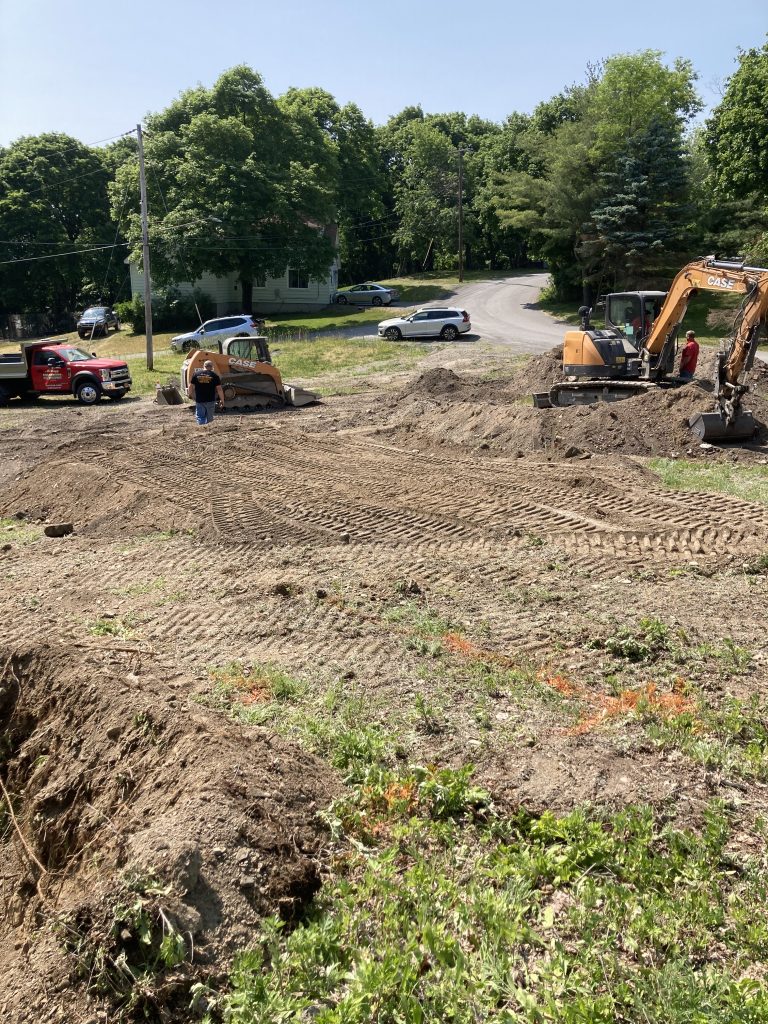
Foundation Dug at 18 Eagle Street
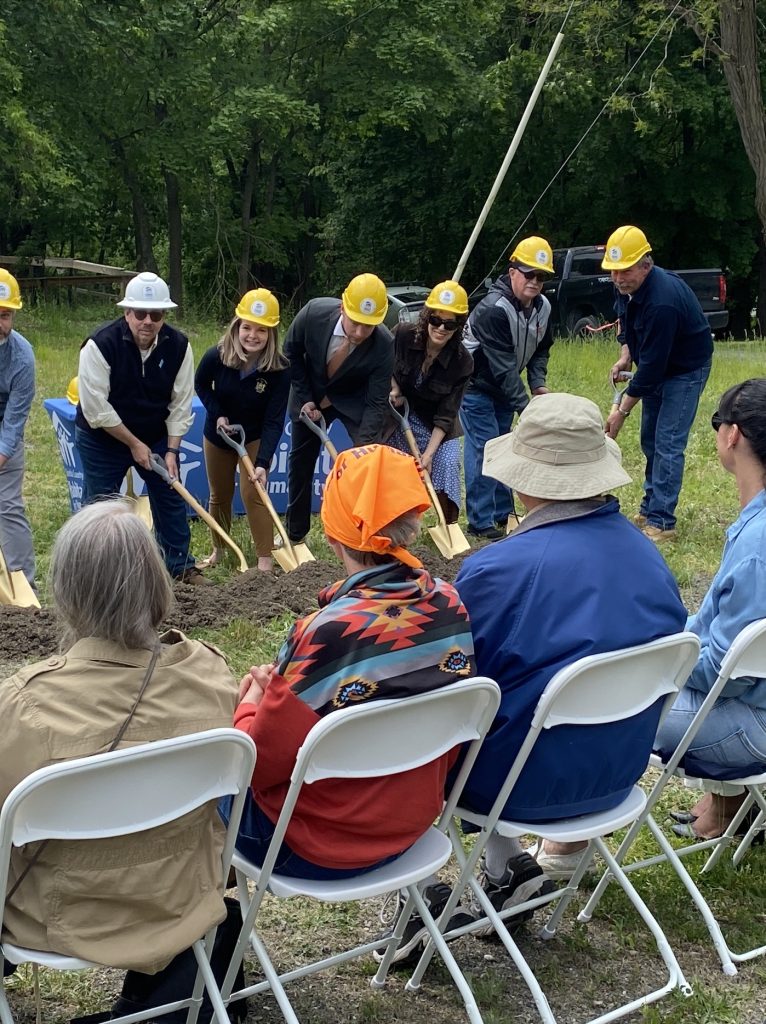
Ground broken for Habitat for Humanity
